By Darlene Devlin
By refocusing on leadership development, this year’s Boot Camp empowered members at every level to find their voice, step forward, and shape the future of the profession.
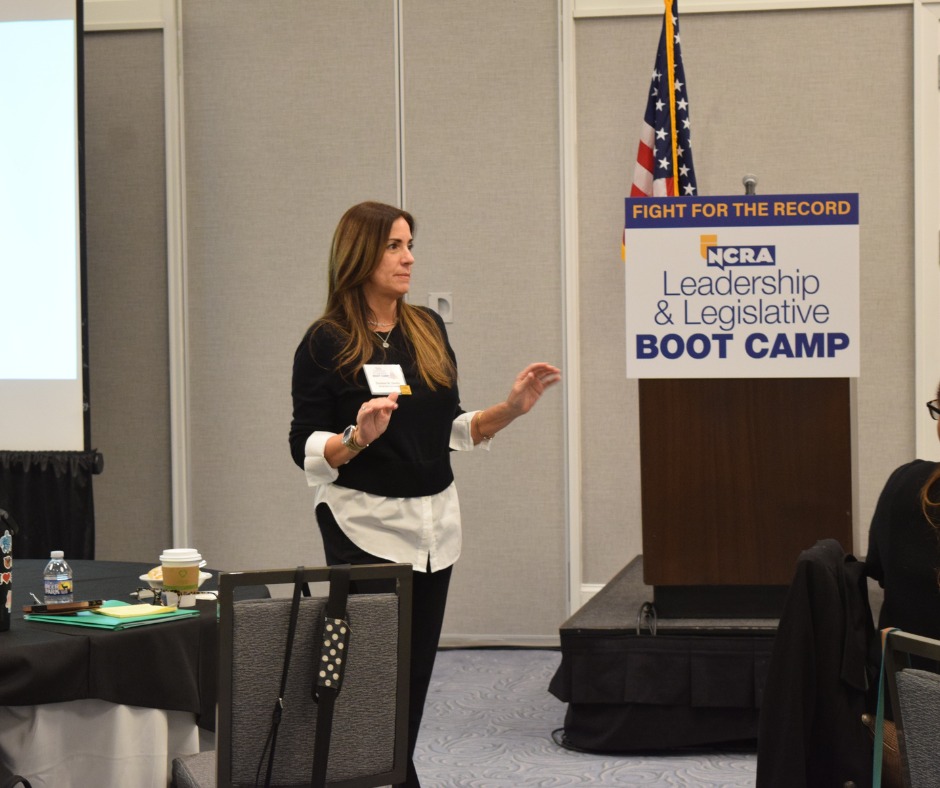
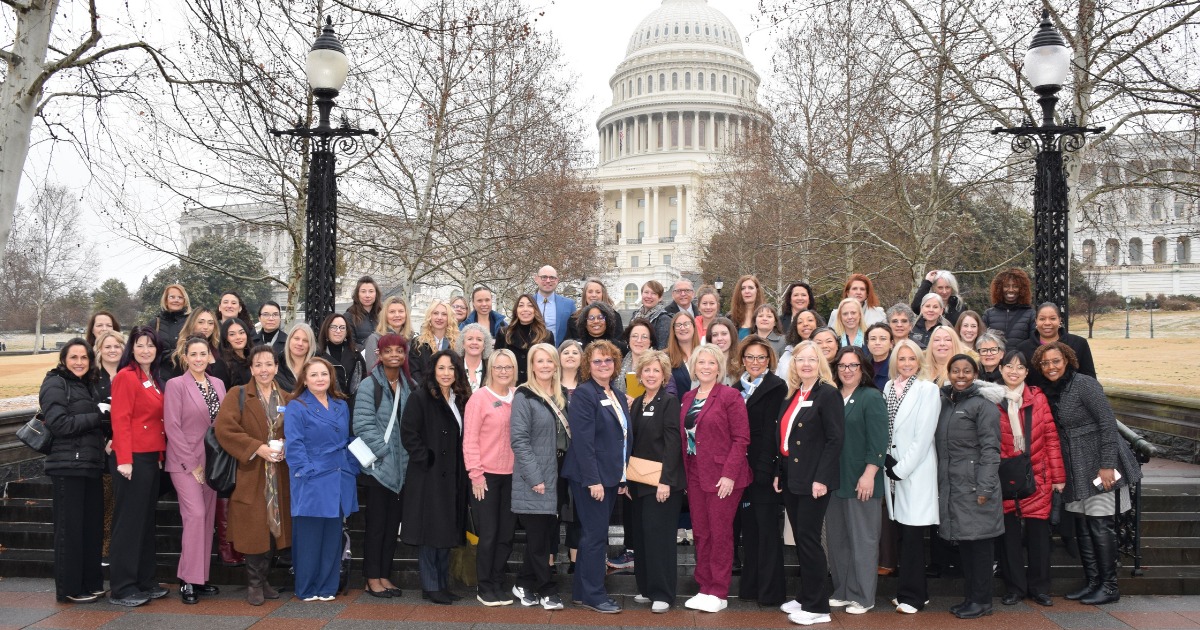
This year’s NCRA Leadership & Legislative Boot Camp marked a deliberate shift, not away from advocacy, but toward something essential to sustaining it: Leadership. While attendees once again received hands-on training and experienced advocating on Capitol Hill, the 2026 program placed renewed emphasis on preparing members to step into leadership roles and carry that work forward long after the Hill visits concluded.
As someone who looks forward each year to the energy and urgency of lobbying Congress, I was struck by how much this emphasis deepened the overall experience. Beyond the meetings and talking points, the leadership training delivered a clear and empowering message: Effective advocacy does not begin and end in Washington.
It continues in our daily work, in the choices we make to engage, and in the responsibility we take on when we return home.
That perspective resonated with many participants, for whom the leadership training was not simply an enhancement to the legislative program but a catalyst, one that encouraged them to step forward, speak up, and recognize their ability to shape the future of the profession.
Finding and using your leadership voice
Intentional Leadership coach Jesse Walker, who led this year’s leadership training, challenged attendees to rethink what leadership actually looks like — particularly in professions that often operate behind the scenes.
“In practice, a lot of us don’t feel comfortable stepping into leadership roles,” Walker said. “We may not feel like we have a voice. Part of what I think I’m on the earth to do is help people feel like they actually have a voice and can bring the best of that to the people around them.”
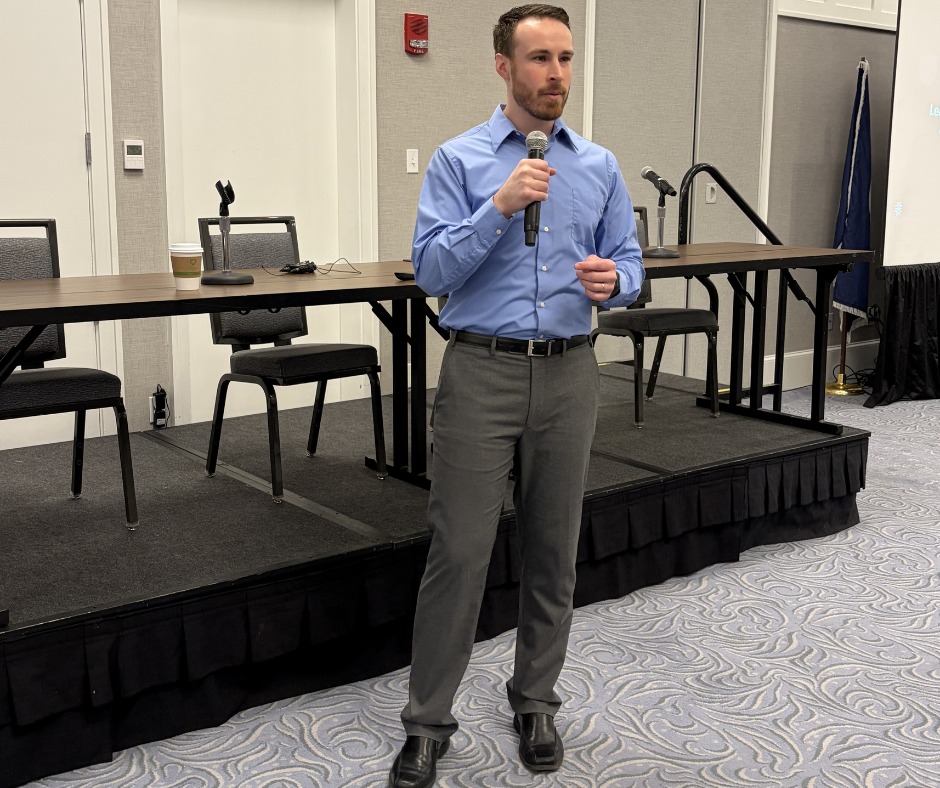
Walker emphasized that court reporters and captioners already possess qualities that translate directly to leadership: discipline, awareness, and service.
“They may not see the value that they can bring through their voice,” he said. “But leadership begins with awareness and the willingness to act on it.”
A recurring theme of Walker’s training was the importance of identifying and addressing blind spots.
“The healthiest leaders are those who are growing in awareness that’s met with intentional action,” he explained. “Some of us are very aware but don’t act. Others act constantly without understanding how it affects the people around them. Leadership is where awareness meets action.”
Rebuilding the leadership pipeline
For NCRA President Cindy Isaacsen, RPR, restoring a strong focus on leadership training was both intentional and urgent.
“It’s been about 12 years since we had training that was really specific to leadership,” Isaacsen said. “We’ve seen a decrease in people wanting to step up into leadership roles. If we don’t bring that back, we’re going to have fewer and fewer people willing to participate.”
She hopes members leave Boot Camp energized and ready to engage when they return home.
“I want them to take that excitement back to their states and tell their boards and committees that leadership matters,” she said. “It takes all kinds of leaders —committee members, board members, volunteers — and we need them all.”
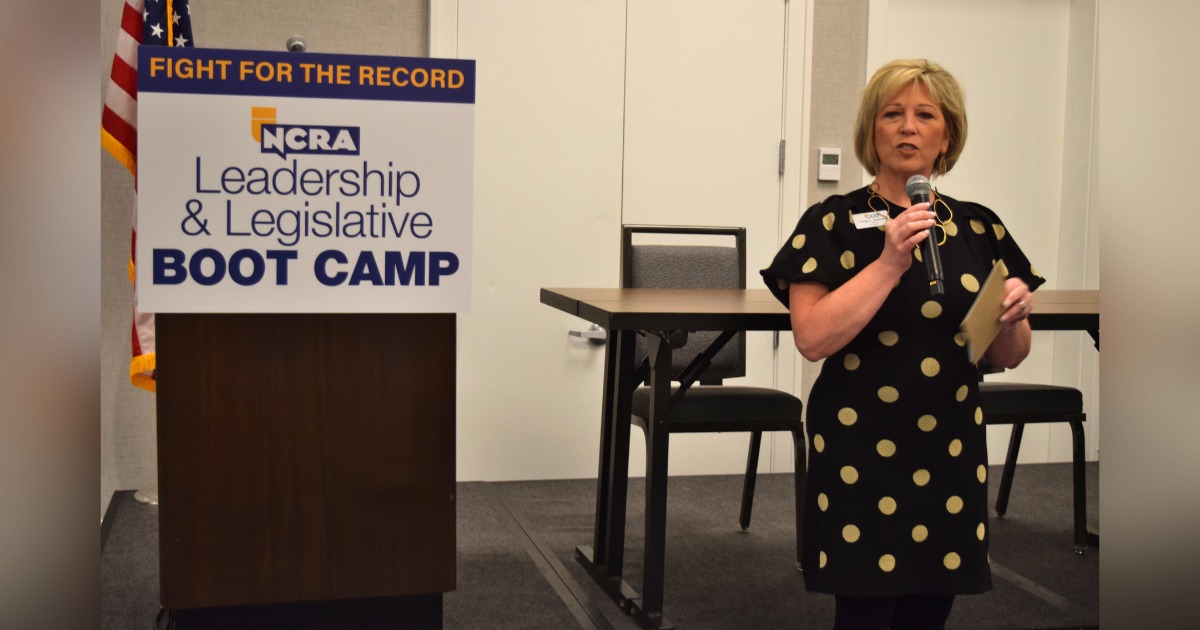
Isaacsen also underscored that effective leadership is less about perfection and more about courage.
“Somebody has to do it,” she said. “You have to look in the mirror and say, ‘Is that somebody me?’”
That message resonated strongly with Margaret R. Carney, RSR, president of the New York State Court Reporters Association, whose leadership journey began not with a long-term plan, but with a simple decision to step up when help was needed.
“When my predecessor vacated the position, I stepped up and said, ‘I can help,’” Carney said. “At the time I wondered whether I would really have an effect on the association. What I’ve learned is that small acts can become large actions, and those actions can have a positive impact for many.”
Carney emphasized that leadership is sustained through mentorship, collaboration, and shared responsibility.
“Although I am president, I am one of a large group coordinating programs and plans to secure the future of our profession,” she said. “Volunteers are the heartbeat of a state association, and New York’s success comes from a diverse group of people willing to give their time and resources.”
Leadership as relationship, inclusion, and collective responsibility
President-elect Cathy Penniston, RPR, CRI, echoed that message, highlighting the importance of inclusive leadership and preparation for emerging challenges.
“One of the biggest lessons for me was the importance of incorporating all personality traits on our board and respecting them,” Penniston said. “As a leader I want to make sure everybody feels welcome as a member of our Association.”
While Penniston identified artificial intelligence as a defining issue for the profession’s future, she emphasized that leadership development is essential to meeting that challenge effectively.
“We need leaders who feel confident and prepared,” she said. “That’s how we protect and move our profession forward.”
This is not about one person or even the Board. It’s about all of us. If we don’t educate our members on advocacy and leadership, we’re limiting our ability to protect our profession and move it forward.
NCRA Board Vice President Carol Naughton, RDR
That sense of shared responsibility was further emphasized by NCRA Vice President Carol Naughton, RDR, who framed leadership not as the work of a few, but as an obligation of the many, especially at a time when the profession faces both technological disruption and declining membership.
“We can only do so much as a 10-member board,” Naughton said. “It really comes down to educating our entire Association on the importance of advocating for ourselves.”
Naughton identified two defining challenges for the profession: the threat posed by artificial intelligence and the need to strengthen membership engagement.
“This is not about one person or even the Board,” she said. “It’s about all of us. If we don’t educate our members on advocacy and leadership, we’re limiting our ability to protect our profession and move it forward.”
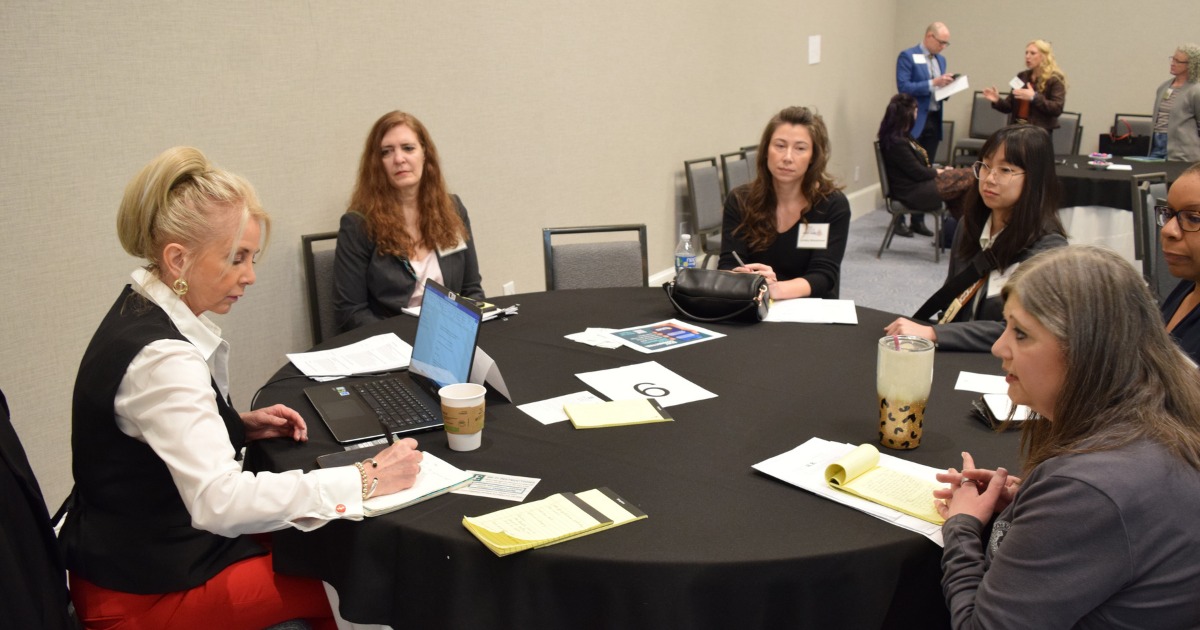
She stressed that leadership development must extend beyond titles and positions.
“Everybody has something unique to bring, whether it’s organizational skills, strategy, or outreach,” Naughton said. “The key is helping people tap into what they’re good at and find where they can lead.”
Empowerment through participation
For Paul Brandell, Junior Vice President of the U.S. Court Reporters Association, the leadership training helped clarify how individual energy can be directed for greater impact.
“Boot Camp gave us focus — an outline for using that energy in a positive way,” Brandell said. “It helped us understand how to advocate better for court reporters.”
He also addressed a common barrier to engagement: the perception that associations are run by a select few.
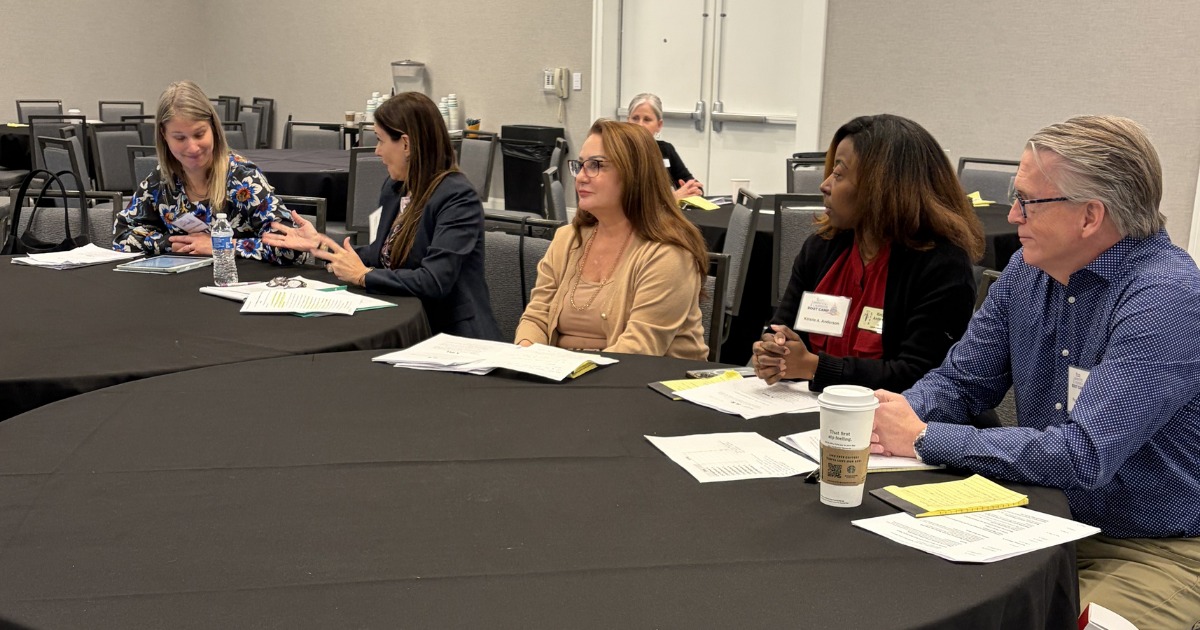
“So many members feel like their voice doesn’t matter,” Brandell said. “Leadership training helps people realize that even starting small, like serving on a committee or taking on one task, makes a difference.”
That theme echoed Carney’s advice to those hesitant to get involved.
“People hesitate because of fear: fear of the unknown, fear of time, fear of whether they belong,” she said. “But even the smallest contribution can grow into meaningful change.”
Leadership as advocacy
NCRA Executive Director Dave Wenhold, CAE, PLC, framed leadership as inseparable from advocacy, both legislative and professional.
“Leadership is critical to the governance and future of the association,” Wenhold said. “Everybody has a voice, and we need every voice in the court reporting and captioning professions.”
His message to attendees was clear and direct.
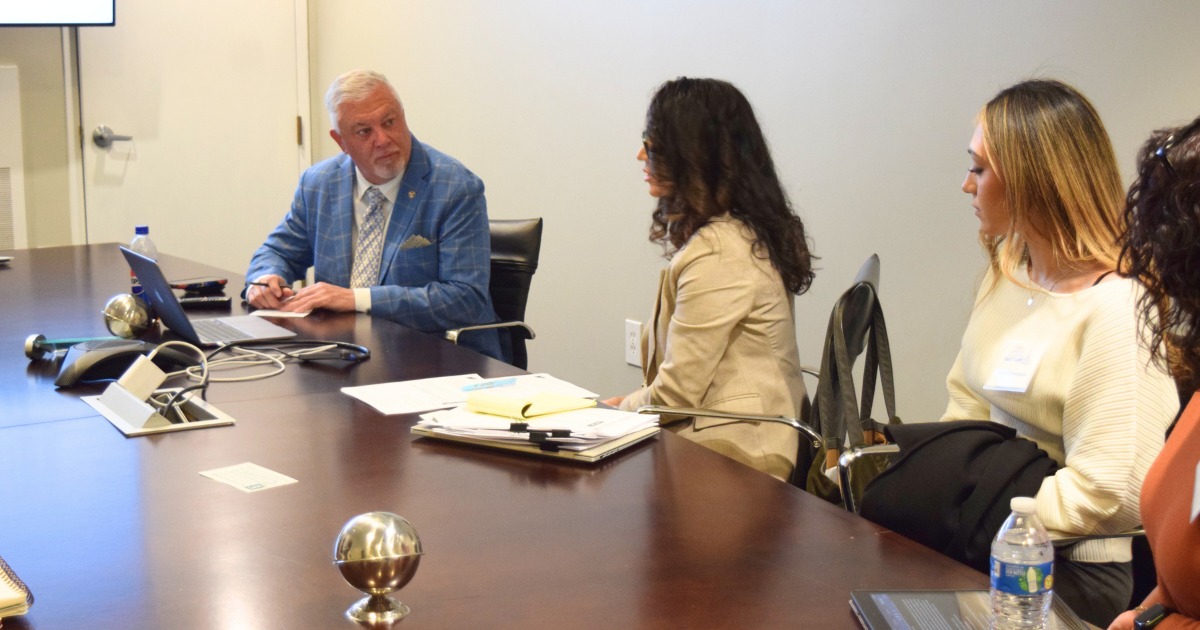
“You’re either at the table or on the menu,” he said. “Nobody is coming to save you.”
Wenhold also highlighted a forthcoming leadership webinar series designed to give members an accessible entry point into leadership development.
“Leadership skills apply to every part of your life,” he said. “Our goal is to empower people. What they do with those skills after that is up to them.”
Leadership that delivers results
For Candace O’Barr Jones, president of the Mississippi Court Reporters Association, the impact of leadership training was immediate and measurable.
“The training gave me 100 percent of my confidence,” she said. “After Boot Camp, I went to the legislature and asked for a raise for our official court reporters and we got it.”
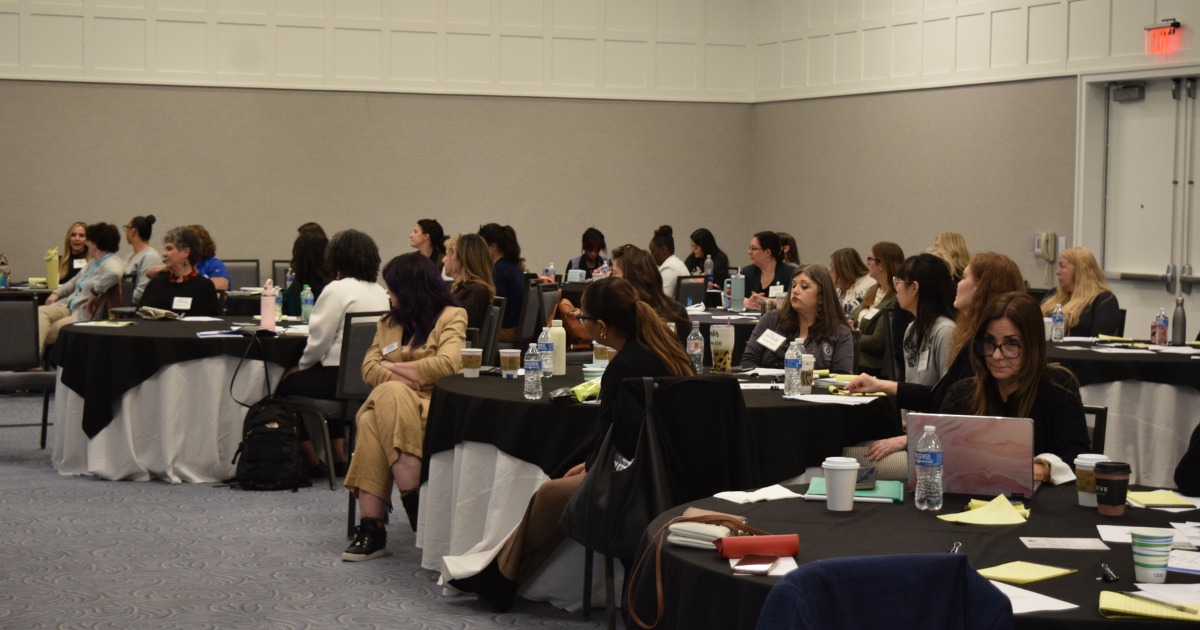
That success transformed morale across the state.
“Our reporters went from feeling flat and ready to leave to saying, ‘We are important. We are vital,’” Jones said. “That confidence came directly from leadership training.”
A call to step forward
The message of this year’s Leadership & Legislative Boot Camp was unmistakable: The future of the court reporting and captioning professions will not be shaped by chance. It will be shaped by those willing to step forward. Leadership is not reserved for a select few or confined to vaunted titles or executive boardrooms. It lives in the decision to speak up, to mentor, to serve, and to act with intention when the moment calls for it.
As attendees return to their states, their courts, their agencies, and their daily work, they carry more than talking points or training. They also carry responsibility — the responsibility to engage, to advocate, and to lead with courage, awareness, and purpose.
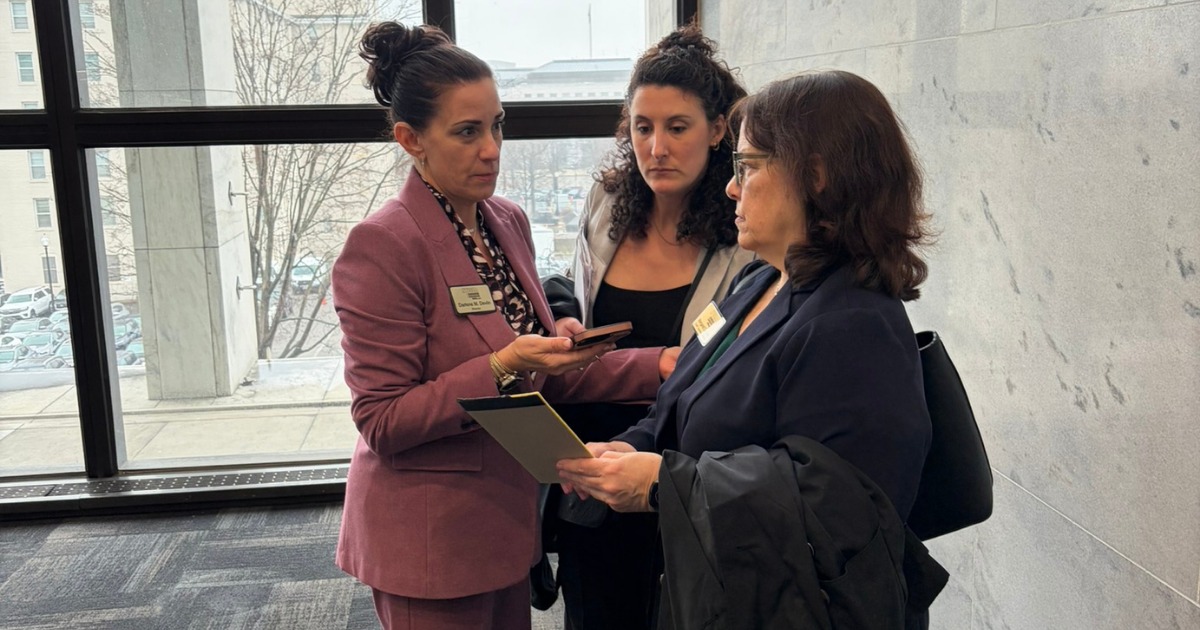
In a profession facing rapid change and real challenges, confidence is not optional; it is foundational.
As Jesse Walker reminded attendees throughout his training, leadership is not defined by title or position.
“We are unified by the fact that we each have a voice,” he said. “And the world is better when we bring it.”
The strength of this profession has always rested in its people. When those people recognize their voice and choose to bring it forward, leadership becomes not a position, but a movement. And that is how lasting change begins.
Because when we fight together, we win!
Darlene M. Devlin is an official court reporter from Patchogue, N.Y. She can be reached at supreme.stenographer@gmail.com.