By Aimée Suhie
I should not be writing this story. Michelle Houston, RPR, of Brandywine, Md., who may be the only known Black female survivor of a ruptured brain aneurysm to complete two triathlons — and who stars in her own documentary — could probably do a better job.
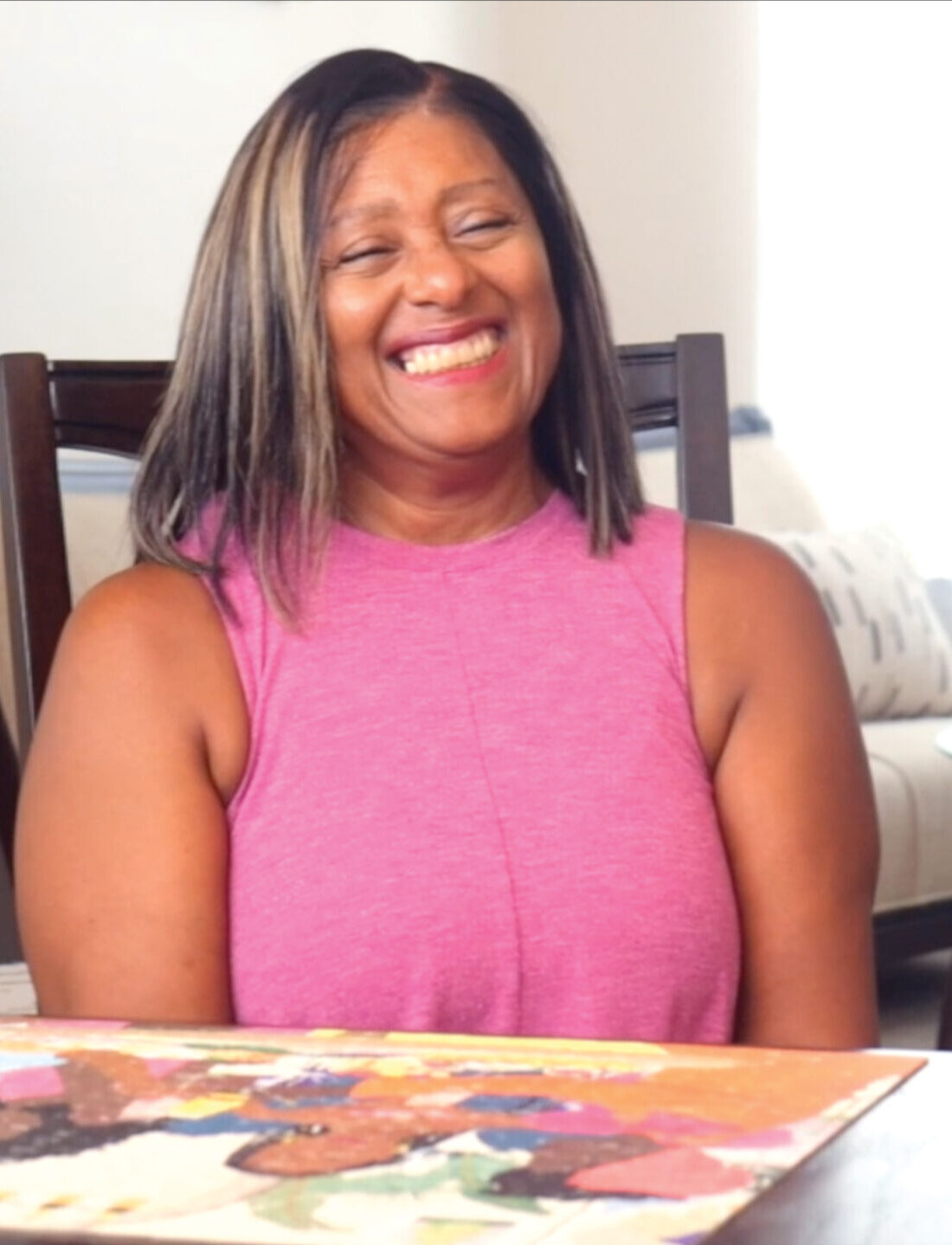
In fact, she can do just about anything. She has live-captioned five world leaders in Washington, D.C. — including President Joe Biden, who is also a survivor of two aneurysms — has been a water fitness instructor, and called her first pregnancy “an interruption” during court reporting school. She kept baby son #2 in a carrier on her chest while editing and proofreading transcripts as a freelancer. Nothing was going to stop her from pursuing her career goals until a sudden pop in her head almost stopped her life.
In the documentary Ruptured but Resilient: Overcoming a Brain Aneurysm, which was released in September by Special Key Enterprises, Houston calmly recounts the day her life changed.
“My aneurysm rupture occurred not long after getting home from work in 1998,” she said. “I had not been feeling well and had a dull headache for weeks. I went to the doctor on Monday and was treated for a sinus infection. By Wednesday I was having emergency brain surgery. At the time I was working for the First Judicial District of Pennsylvania, the City of Philadelphia. During the lunch break, the judge’s judicial aide saw me with my head on my desk and asked if I was okay. I told her I wasn’t feeling myself.
“I drove home and did things in reverse order, picking up my seven-year-old son from the neighbor’s house first,” she continued. “I am so glad I did. Not long after, I felt a loud pop in my head and saw stars. I made it to the couch to lie down and told my seven-year-old son Julian to call 9-1-1 if anything happens, but as the tears rolled down his face, I knew I had to act immediately. I called a neighbor. Fortunately, I never lost consciousness. I was taken to a local hospital, they did a CT scan and found the bleed, then transferred me to Thomas Jefferson University Hospital.”
NCRA member earns Atlas World Record: Atlas World Records posted on its website on Jan. 24 that NCRA member Michelle Houston, RPR, a CART captioner from Brandywine, Md., has become the first individual to complete a sanctioned triathlon following the survival of two brain aneurysms. Read more.
Houston was told her chances were 60/40. The Cleveland Clinic website explains that a cerebral aneurysm is a bulge in a weak area of a blood vessel in or around the brain. About 25 percent of people who experience a rupture die within 24 hours. About 50 percent die within three months. Of the 60 percent who survive, Houston explained, 70 percent have neurological deficits. After the seven-hour surgery, she spent a month in the intensive care unit, where she was closely monitored for stroke, and then continued her healing at home for five more months thanks to the Family & Medical Leave Act. When the neurosurgeon cleared her to go back to work, she said he stated that her memory was not blunted “by any stretch of the imagination.” Seven years later, doctors found another aneurysm, and she had a second craniotomy, which was less invasive because the aneurysm had not ruptured. The hospital stay and recovery were much shorter, she said.
Houston’s career journey began with business courses in high school, including machine shorthand, and she received her certificate of completion from Lincoln Business Institute in Pennsauken, N.J. She has been a freelance reporter and an official in Philadelphia and the Circuit Court for Prince George’s County, Md. She has since transitioned into providing CART for the Deaf/HOH as well as broadcast captioning.
Houston credited her recovery to “God, you know, prayer,” and her Methodist church family. “They were very helpful and supportive,” she said. Her 80-year-old aunt, who helped raise her, “would take New Jersey Transit and come over to Philadelphia to see me, which a lot of people wouldn’t do,” she added.
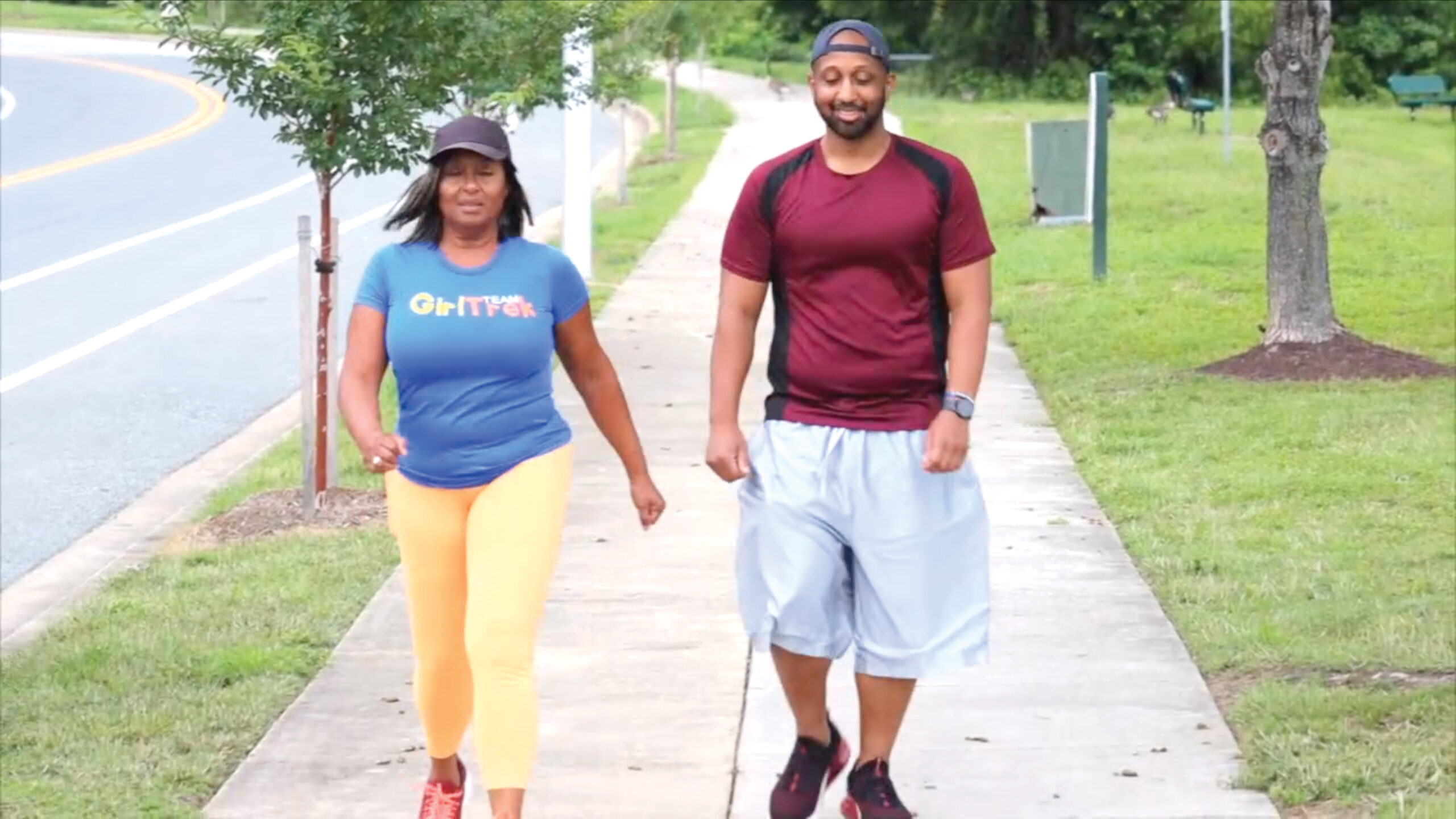
In the documentary, her interviewer and now friend Quiandria “Keke” Willis of Special Key Enterprises, LLC, asked her how her outlook on life has changed. Houston replies: “Instead of thinking about or dreaming about doing things, I’m more apt to just go ahead and kind of fly by the seat of my pants, let me try this, let me try that.”
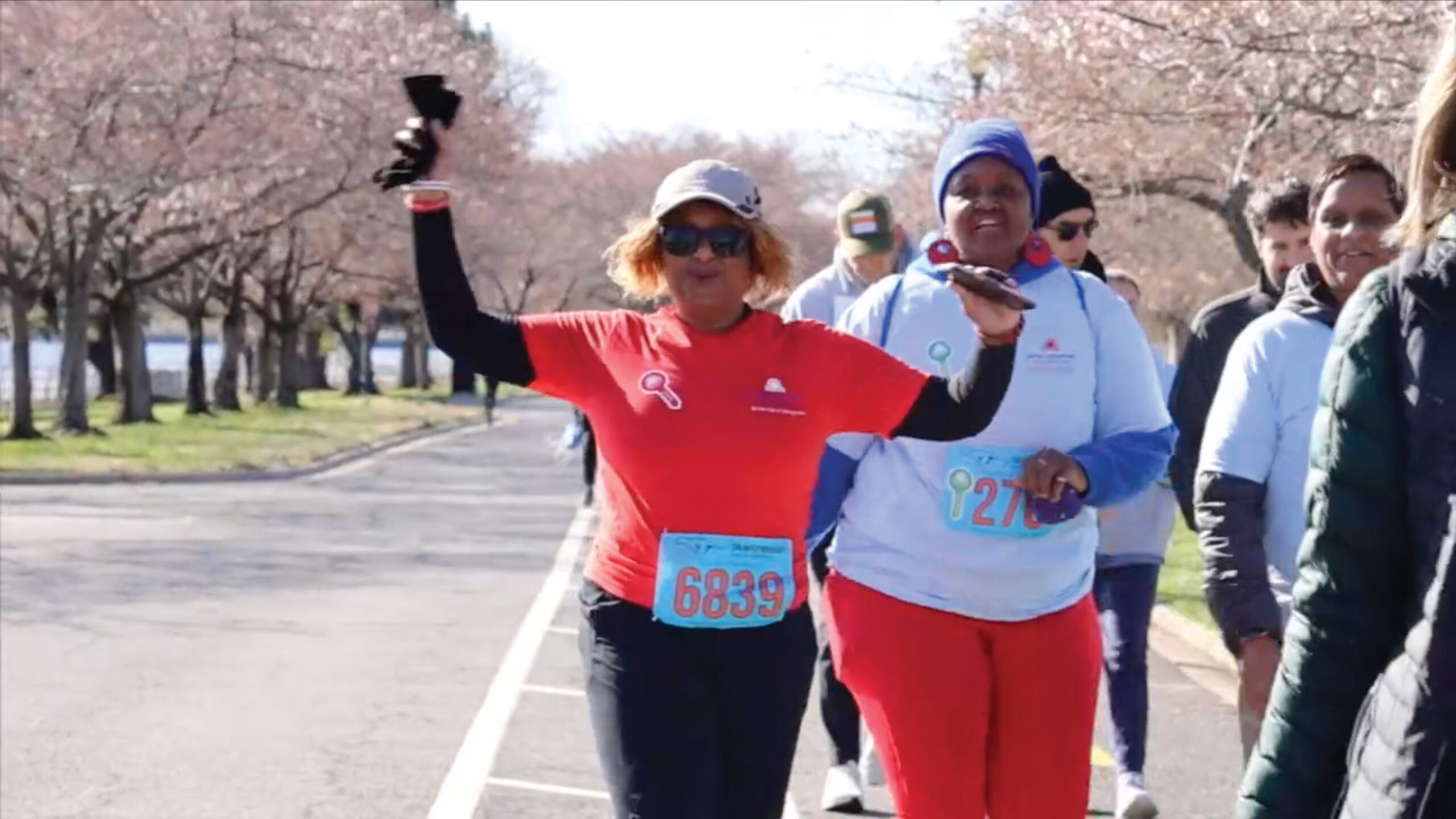
When she heard about a triathlon, she competed in it three weeks later. It was in a pool — “I don’t really think I could do open water,” she says, “but still it was still challenging — a 300-meter swim, nine-mile bike ride, and 5K run. I didn’t finish first. I didn’t finish last. But I finished.” She said she got the same feeling of euphoria that she had when she woke up in ICU: “I survived,” she said, “I got through this.”
I have a very positive outlook on life,” Houston added. “I look at the glass as half full instead of half empty. I try not to think too much about things that have happened in the past. And I just look at the bright side of everything and try not to let anything bother me or stress me out. It’s not worth it because tomorrow’s not promised.”
Watch the documentary: Ruptured but Resilient: Overcoming a Brain Aneurysm
JCR Contributing Editor Aimée Suhie, B.A., is a retired court reporter from New Fairfield, Conn. She can be reached at suhieaimee@gmail.com.