By Dr. Geanell Adams
For years, court reporters have pursued certifications as a mark of excellence, professionalism, and commitment to the record. National credentials through the National Court Reporters Association have represented far more than letters behind a name. They symbolize competency, ethics, skill, and dedication to preserving the integrity of the judicial process.
Yet recently, many experienced reporters have voiced a growing concern: “Why keep paying for certifications when I’ve already proven myself for decades?”
Others question whether membership and continuing credential maintenance are worth the financial investment. These concerns are understandable, especially in a profession facing economic pressures, evolving technologies, and increasing demands.
But in today’s rapidly changing legal and technological climate, certifications may matter more now than ever before.
The profession of court reporting is experiencing one of the most significant shifts in its history. Artificial intelligence, digital recording systems, and alternative methods of capturing the record are being marketed aggressively across the country as replacements for stenographic reporters. In many jurisdictions, decisions about who may create the official record are no longer theoretical discussions — they are active legislative, judicial, and budgetary conversations taking place right now.
When those conversations happen, certifications become critically important. National certifications establish measurable standards that distinguish trained, qualified professionals from unregulated alternatives. They provide objective evidence that certified reporters possess verified skills in accuracy, speed, ethics, professionalism, and continuing education. In an era where AI-generated transcripts and digital recording systems are often promoted as “good enough,” national credentials reinforce the reality that creating and protecting the official record requires expertise that cannot simply be replicated by software or automated systems.
The value of certification extends beyond individual benefit. Certifications strengthen the collective position of the profession itself.
State landscapes can change quickly. A legislature may propose expanding electronic recording. A court administrator may seek lower-cost alternatives. A local jurisdiction may reconsider certification requirements or licensure standards. When those challenges arise, the profession’s strongest defense is a workforce that demonstrates nationally recognized excellence and accountability.
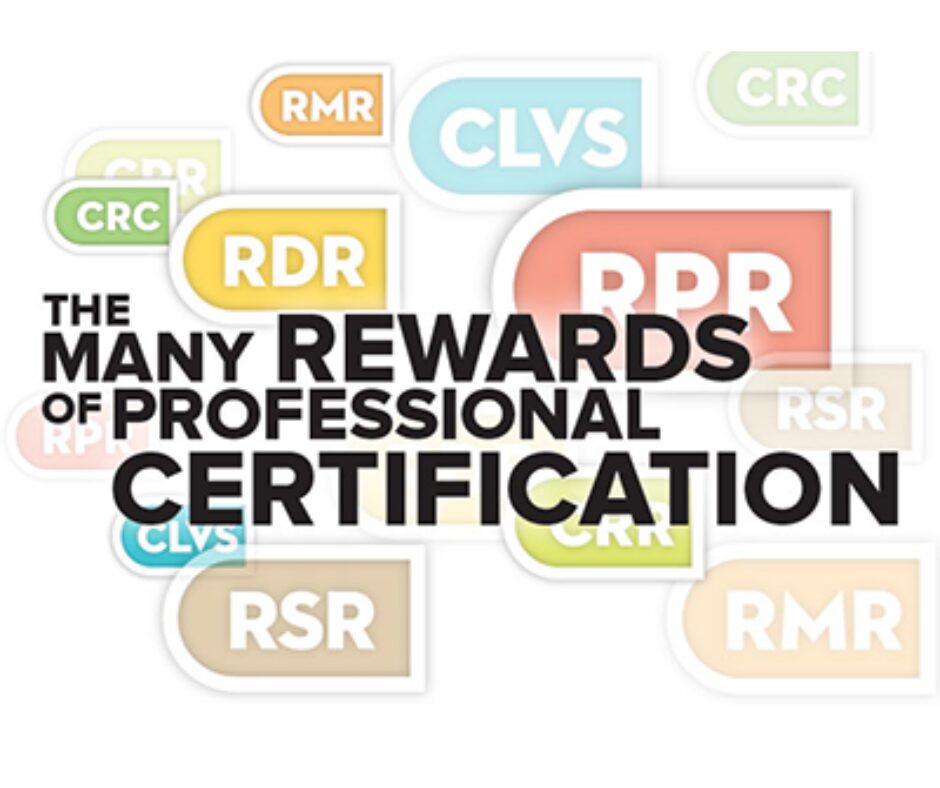
If participation in certification programs declines, the profession risks weakening its own argument for maintaining professional standards. But when reporters across the country continue investing in national credentials, it sends a powerful message: This profession remains highly skilled, highly trained, and essential to justice.
Membership and certification are not simply personal achievements; they are investments in the future credibility and survival of the profession.
The reporters who came before us fought tirelessly for recognition, standards, licensure, and professional respect. Today’s reporters inherit both the benefits of those efforts and the responsibility to preserve them. Continuing education, certification maintenance, and Association membership demonstrate that court reporters are not static professionals relying solely on years of experience, but evolving experts committed to excellence in a changing environment.
Experience absolutely matters. Veteran reporters bring invaluable knowledge and wisdom to the profession. But experience paired with active certification sends an even stronger message: that professionalism does not expire.
In the age of AI and alternative reporting, the profession cannot afford complacency. National certifications help protect the integrity of the record, elevate professional standards, and strengthen advocacy efforts nationwide. They remind courts, legislators, attorneys, and the public that certified court reporters remain the gold standard for preserving the spoken word.
The future of the profession may very well depend on how strongly we continue to support the standards that define it.
And that is why certifications still matter.
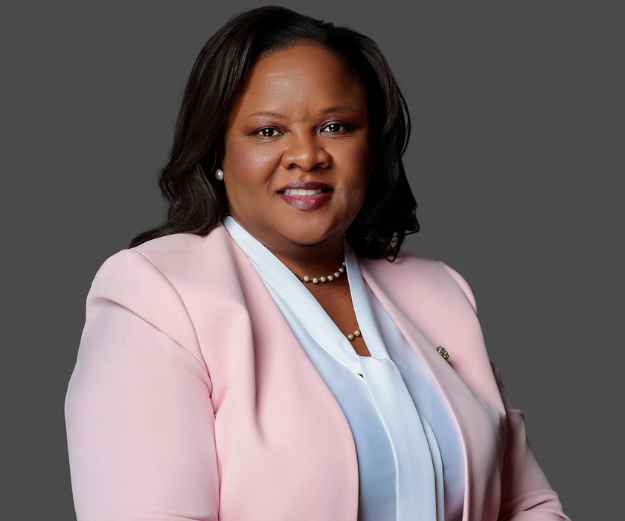
Dr. Geanell Adams, FAPR, RMR, CRR, CRC, CRI, is an official from Raymond, Miss. She can be reached at geanelladams@aol.com.